Wind, Hail, and Your Policy: How to Navigate a Roof Replacement Claim This Spring.


Spring in the Mid-Atlantic is a season of transition. From the suburbs of Philadelphia down through Maryland and into Northern Virginia and Richmond, we trade the heavy snow for something arguably more volatile: sudden hailstorms, high-velocity winds, and relentless spring downpours.
At Douglas Roofing, we’ve seen forty years of spring storms. Since Larry and Michelle Rimel opened our doors in 1985, our family has helped thousands of neighbors navigate the confusing aftermath of storm damage. If you’re waking up to shingles in your yard or "pockmarks" on your siding, you aren't just looking for a roofer—you’re looking for a guide to prevent the inevitable roof leak that follows.
Spring storms in our region bring a combination of forces that work together to compromise your home’s seal. Insurance policies handle these differently, and knowing the nuances is key:
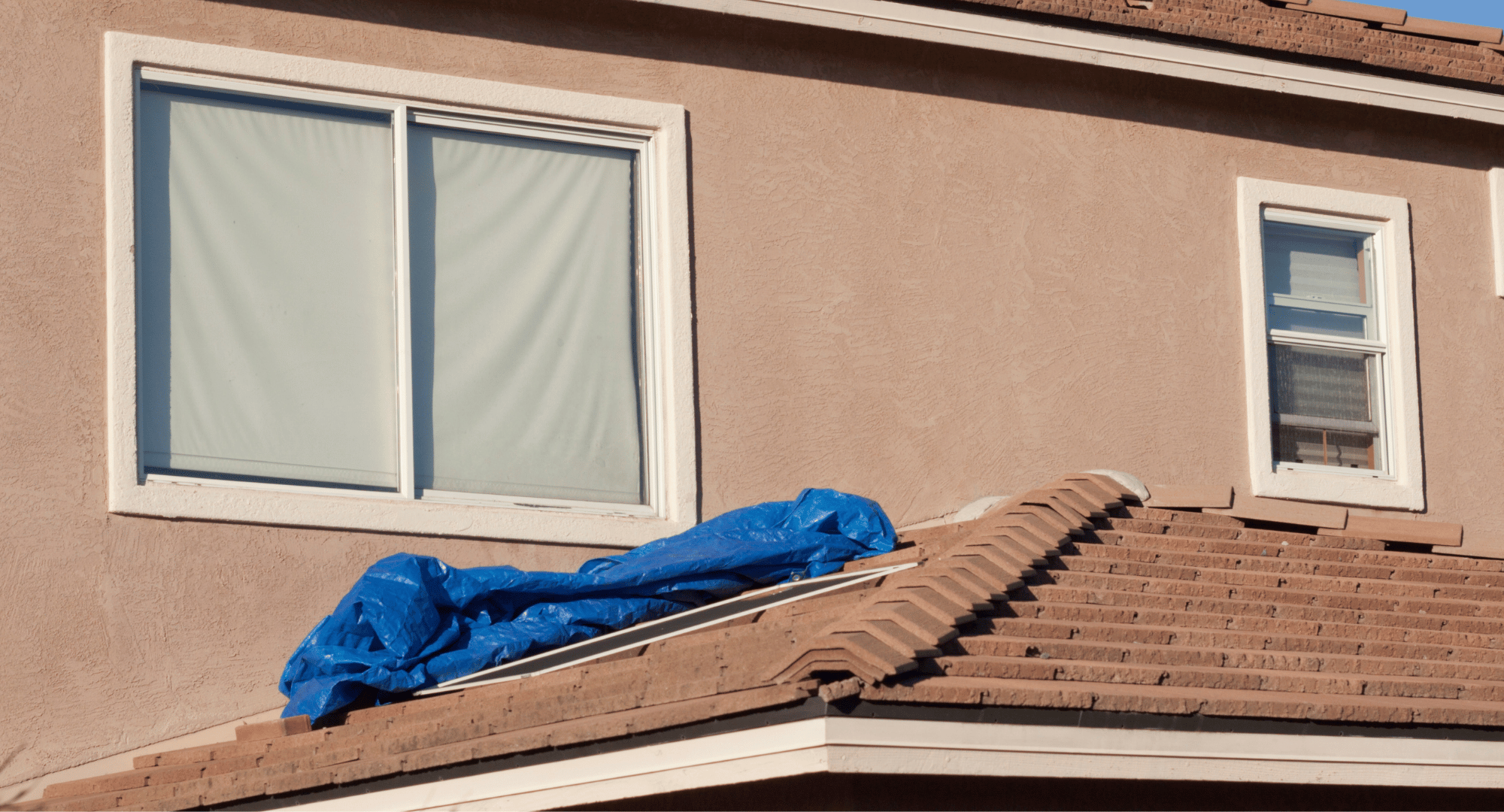
When a homeowner calls us saying, "I think I have a roof leak after the storm," we treat it with the highest urgency. In our humid climate, water is the enemy. * The Attic Trap: Water often saturates attic insulation long before you see a stain on your ceiling.
One of the biggest mistakes homeowners make is filing a claim before they have a professional hail damage roof inspection. If you file a claim and the adjuster finds "insufficient damage" despite your leaks, that "zero-pay" claim can still stay on your record.
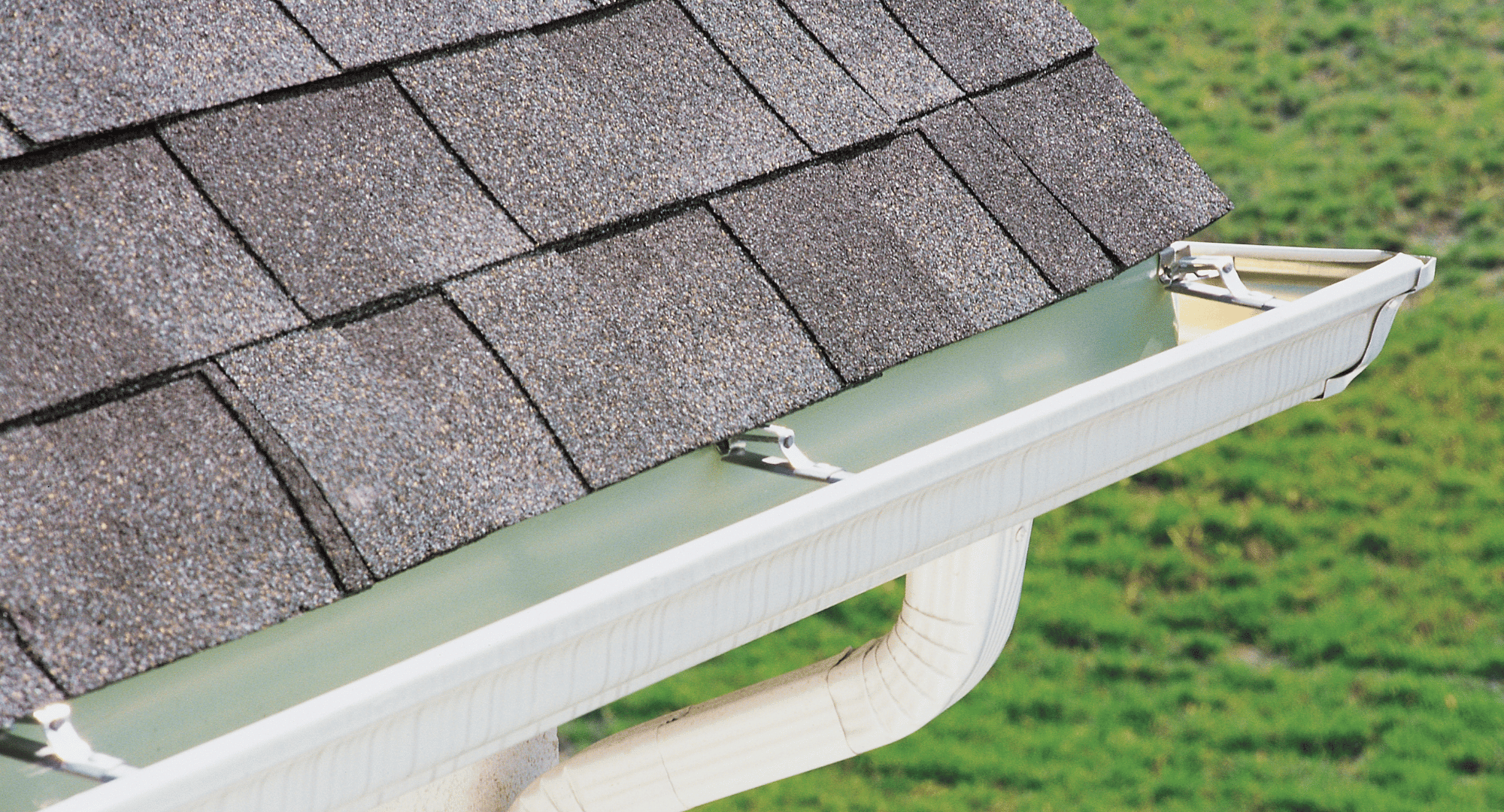
When you call Douglas Roofing, we perform a comprehensive audit of your home’s exterior. We don't just look at the shingles; we check the siding, gutters, and window wraps. We want to ensure that if you do file a claim, it’s backed by undeniable evidence that the storm—not just "wear and tear"—is the cause of your water intrusion.
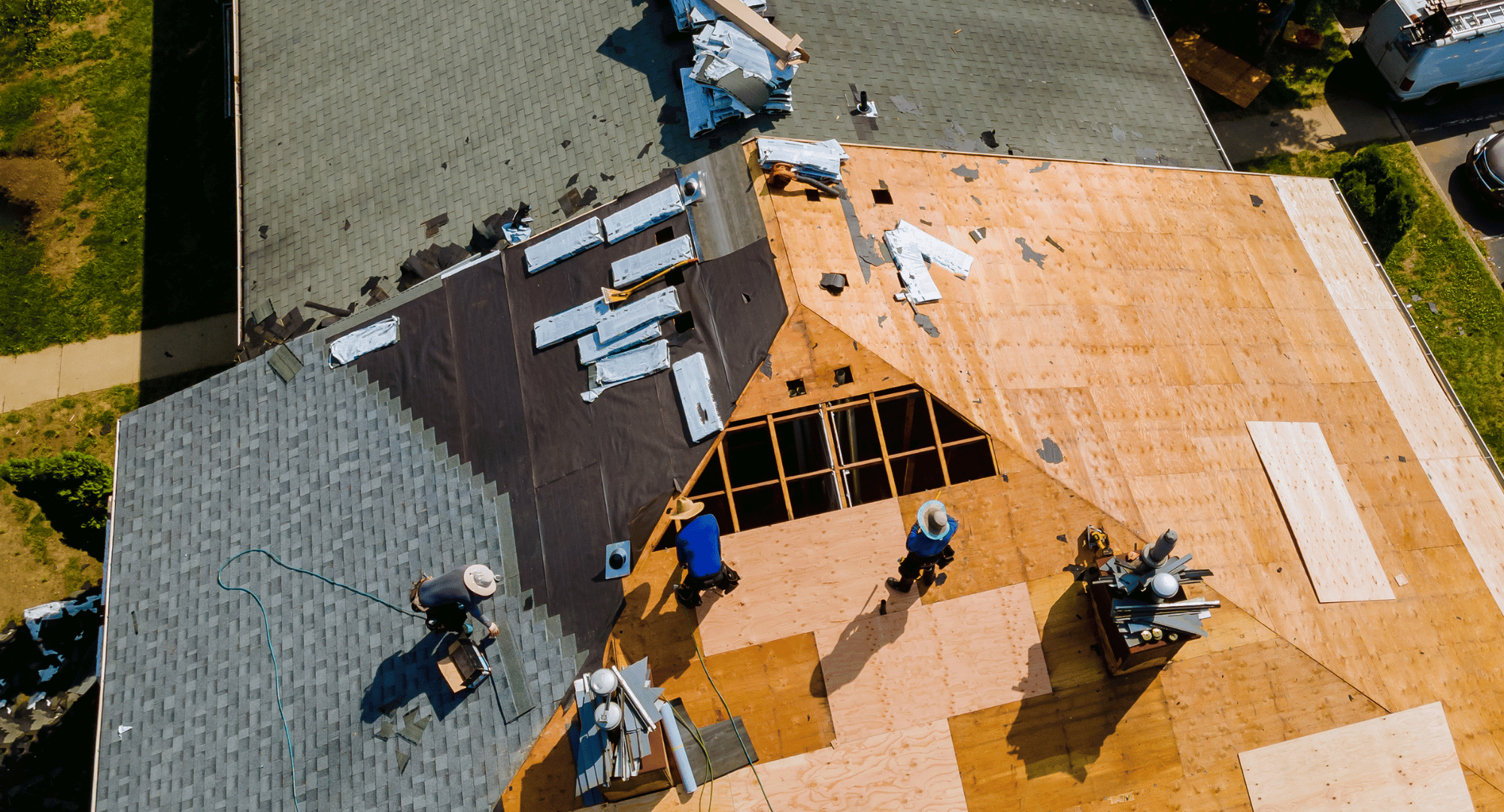
This spring, if you have an adjuster coming to your home, don't let them walk the roof alone. As part of our commitment to the families we serve, Douglas Roofing will meet with your adjuster in person. Adjusters are often rushed, especially after a big storm in Maryland or PA. We get on the ladder and walk the roof with them to point out the specific "bruises," the creased tabs, and the water-entry points that are easily missed. We’ve read every type of policy through and through—we know the "matching laws" and the "line-of-sight" rules that can turn a small repair check into a full roof replacement funded by your insurance.