How Do I Know If My Roof Is Leaking or If My Gutters Are the Problem?

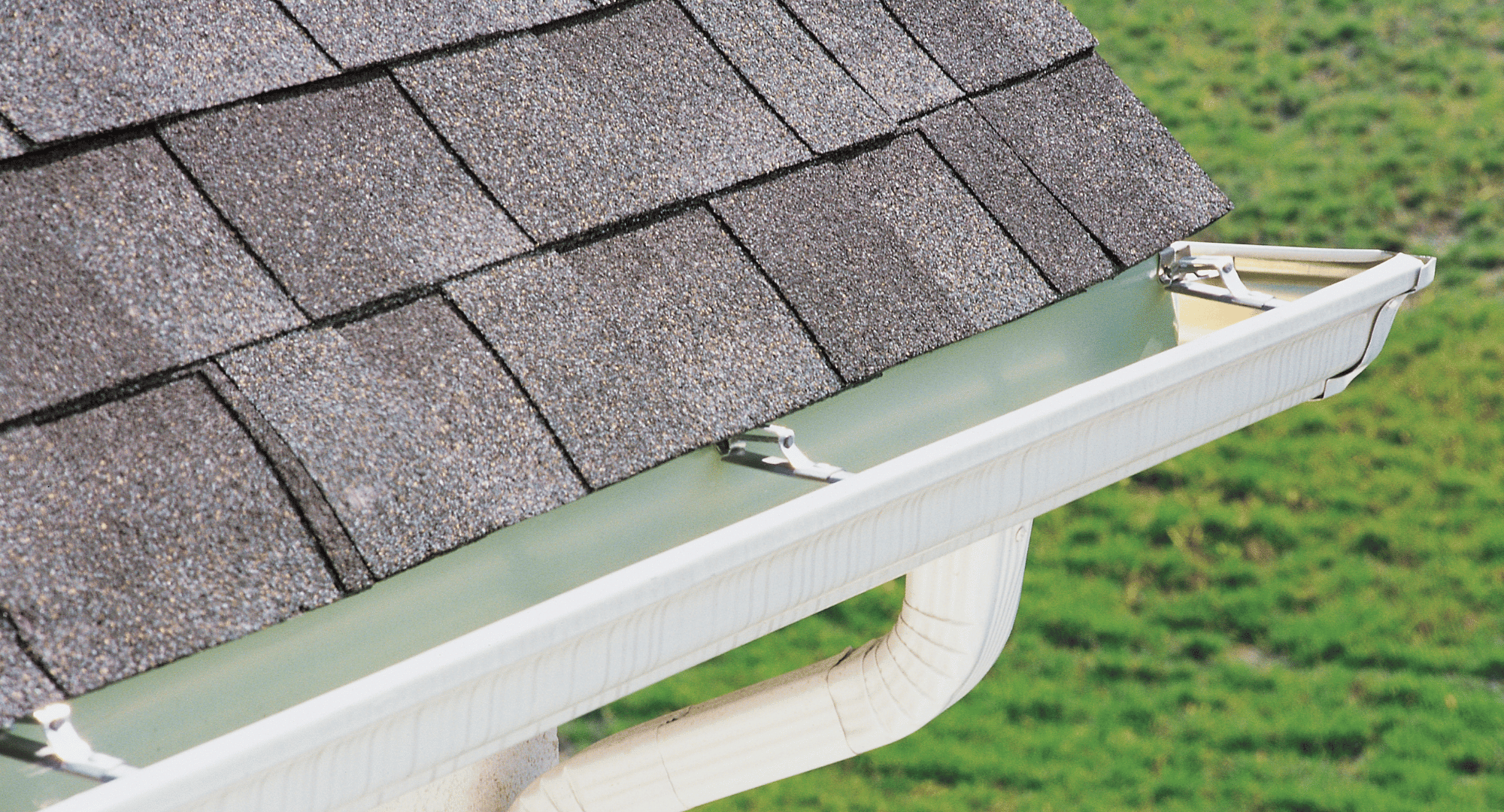
A leak near your roofline does not always mean your roof is failing. In many cases, gutters are the real culprit. The key is to look at where the water appears inside your home, how your gutters are performing during rain, and the condition of the flashing and shingles around the suspected area. Identifying the right source saves you time and money.
A homeowner in the Herndon, VA area recently called us with a familiar situation. They had a small wet spot near a pitched roof section, and there was a gutter right alongside it. Was it the roof? The gutter? Both? It is one of the most common questions we hear, and the answer is not always obvious from the inside of your home.
At Douglas Roofing, we have seen this scenario play out dozens of times. Getting the diagnosis right before calling in a repair crew matters. Here is how to think through it.
Roof leaks usually show up as water stains or wet spots on your ceiling or in your attic, often after rain hits a specific area like a valley, ridge, or flashing joint. The location of the stain inside your home can point directly to the problem spot on your roof above it.
Watch for these signs that the roof may be the source:
If you have a pitched section with a gutter running alongside it, pay close attention to the flashing where those two surfaces meet. That transition point is one of the most common spots for water to sneak in.
When gutters are the problem, water typically overflows, backs up, or leaks at the seams and works its way into the fascia, soffit, or interior wall rather than dropping straight down as it should. This can look a lot like a roof leak from inside the house.
Signs that your gutters may be the source:
Clogged or improperly pitched gutters can force water backward under the drip edge and into your home. It is sneaky, and it is often mistaken for a roofing issue. Learn more about how we handle gutters and downspouts if you think this might be your situation.
If you genuinely cannot tell whether the roof or gutters are causing the problem, the safest move is to have a professional look at both during the same visit. Chasing one without checking the other can leave you with a repeat problem after the repair.
Also worth checking: if your roof was replaced within the last several years, it may still be under the original contractor's warranty. Before spending anything on a repair, dig out your paperwork and call the installing company first. A warranty claim could cover the work entirely.
Our experienced team can walk your roofline, inspect the gutter connections, check flashing, and give you a straight answer about what is actually happening.
Yes. What looks minor during dry weather can grow significantly once heavy rain arrives. Water finds the path of least resistance, and a small gap in flashing or a cracked section of gutter can allow a surprising amount of water inside over time. Address it sooner rather than later.
Yes. We work on both roofing and gutter systems, which means we can look at the full picture rather than just one component. Sometimes the fix is on the roof. Sometimes it is the gutter. Occasionally it is both.
Check your warranty documentation first. Many roofing warranties transfer to new owners, so even if you bought the home a few years ago, coverage may still apply. Calling the original installer before paying out of pocket is always worth a few minutes of your time.
If you are in the Herndon, VA area and are not sure whether you are dealing with a roofing issue or a gutter problem, do not guess. Contact us and we will help you figure out exactly what is going on and what it will take to fix it right.

