Ridge Vents vs. Box Vents

When the summer heat hits — and if you're in Northern Virginia, Maryland, Philadelphia, or Richmond, you know it really hits — your roof is on the front lines. But here's something many homeowners don't think about until it's too late: how well your roof breathes matters just as much as what it's made of.
Proper attic ventilation is one of the most overlooked factors in roof performance and longevity. Without it, heat and moisture build up in your attic, driving up energy bills, warping decking, and cutting years off your shingles' lifespan. Two of the most common ventilation solutions are ridge vents and box vents — and choosing the right one can make a significant difference in your home's comfort and your roof's health.
Here's what you need to know.
A ridge vent is a continuous ventilation strip installed along the peak (ridge) of your roof. It runs the entire length of the roofline and is designed to allow hot, humid air to escape from the highest point of your attic — right where heat naturally collects.
Ridge vents work best when paired with soffit vents along the eaves of your roof. Together, they create a natural convection current: cool air enters through the soffits at the bottom, travels up through the attic, and exits through the ridge vent at the top. This is called balanced ventilation, and it's the gold standard for attic airflow.
Advantages of Ridge Vents:
Potential Drawbacks:
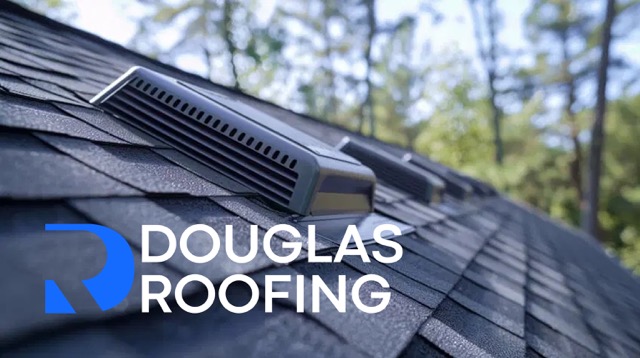
Box vents (also called static vents or turtle vents) are individual, square or rectangular units installed directly into the roof deck, typically near the ridge. Unlike ridge vents, they don't run continuously — they're placed at intervals across the roof surface.
Box vents rely on wind and natural convection to pull hot air out of the attic. Multiple units are typically installed to cover the required ventilation area.
Advantages of Box Vents:
Potential Drawbacks:
The honest answer: it depends on your home.
For most standard residential roofs with a straightforward gable or hip design, ridge vents paired with soffit vents are the superior long-term solution. They provide balanced, efficient ventilation with minimal maintenance and a cleaner look.
However, box vents can be the right call for homes with complex roof lines, multiple peaks, or older construction where adding a continuous ridge vent isn't practical. They can also supplement an existing ventilation system where certain areas need extra airflow.
What's most important is that your ventilation system is properly sized and balanced. Too little ventilation causes heat and moisture to trap inside the attic. But too much — or the wrong configuration — can actually disrupt airflow and create negative pressure. This is why a professional assessment matters.
Ready to find out what your roof actually needs? Douglas Roofing offers free inspections and estimates with no obligations. Book yours today →
During summer months, attic temperatures in poorly ventilated homes can exceed 150°F. That extreme heat doesn't just stay in the attic — it radiates down into your living spaces, forcing your AC to work harder and your energy bills to climb. It also accelerates the breakdown of your shingles from the inside out.
Investing in the right ventilation system isn't just about comfort. It protects your roofing materials, extends the life of your roof, and keeps your home more energy efficient year-round.
Whether you're dealing with an overheating attic, rising energy bills, or just want peace of mind heading into summer, our team is here to help.
You don't have to guess whether your home has the right ventilation setup. Our roofing experts will assess your current system, identify any gaps, and walk you through your options — with no pressure and no cost.
📞 Call us at (703) 255-9599 📋 Or schedule your free inspection online →