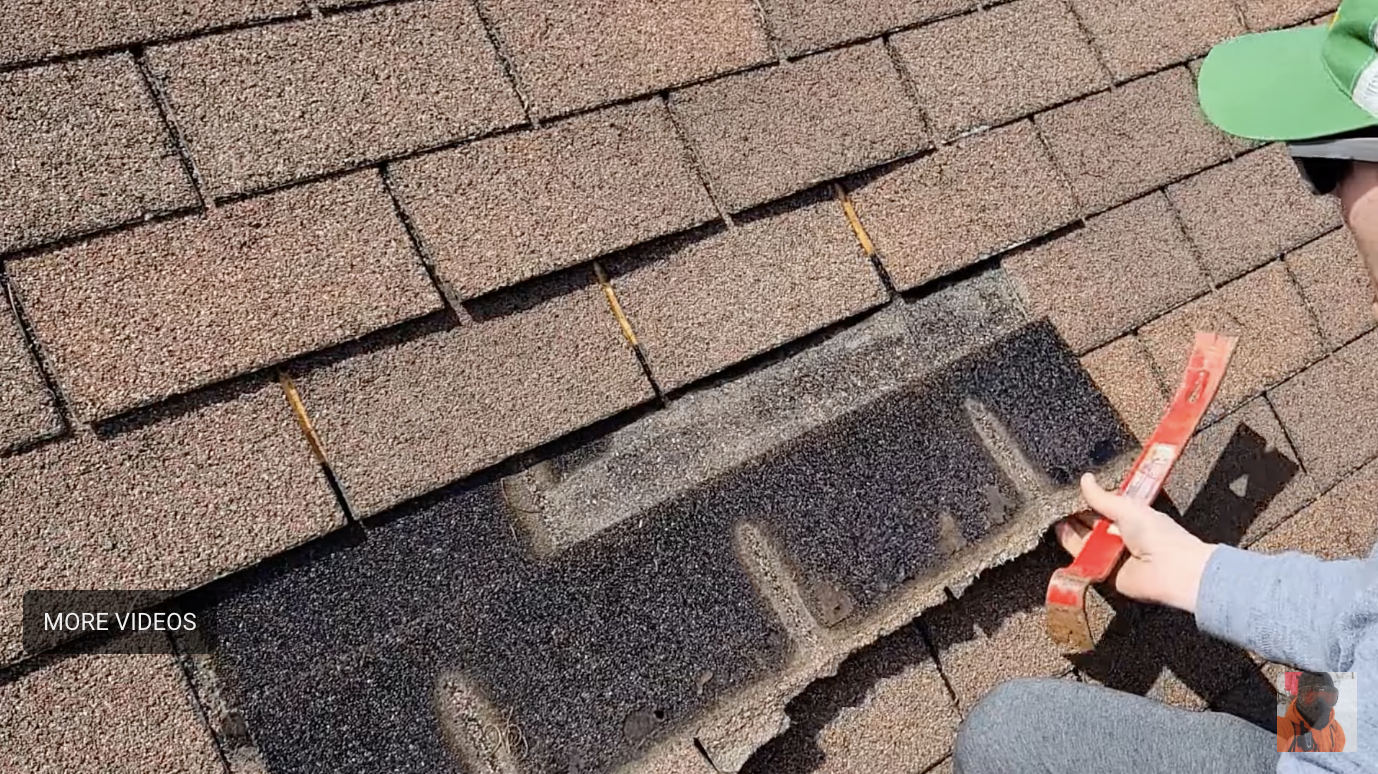
Should You Tarp Your Roof Before Filing an Insurance Claim After a Leak?

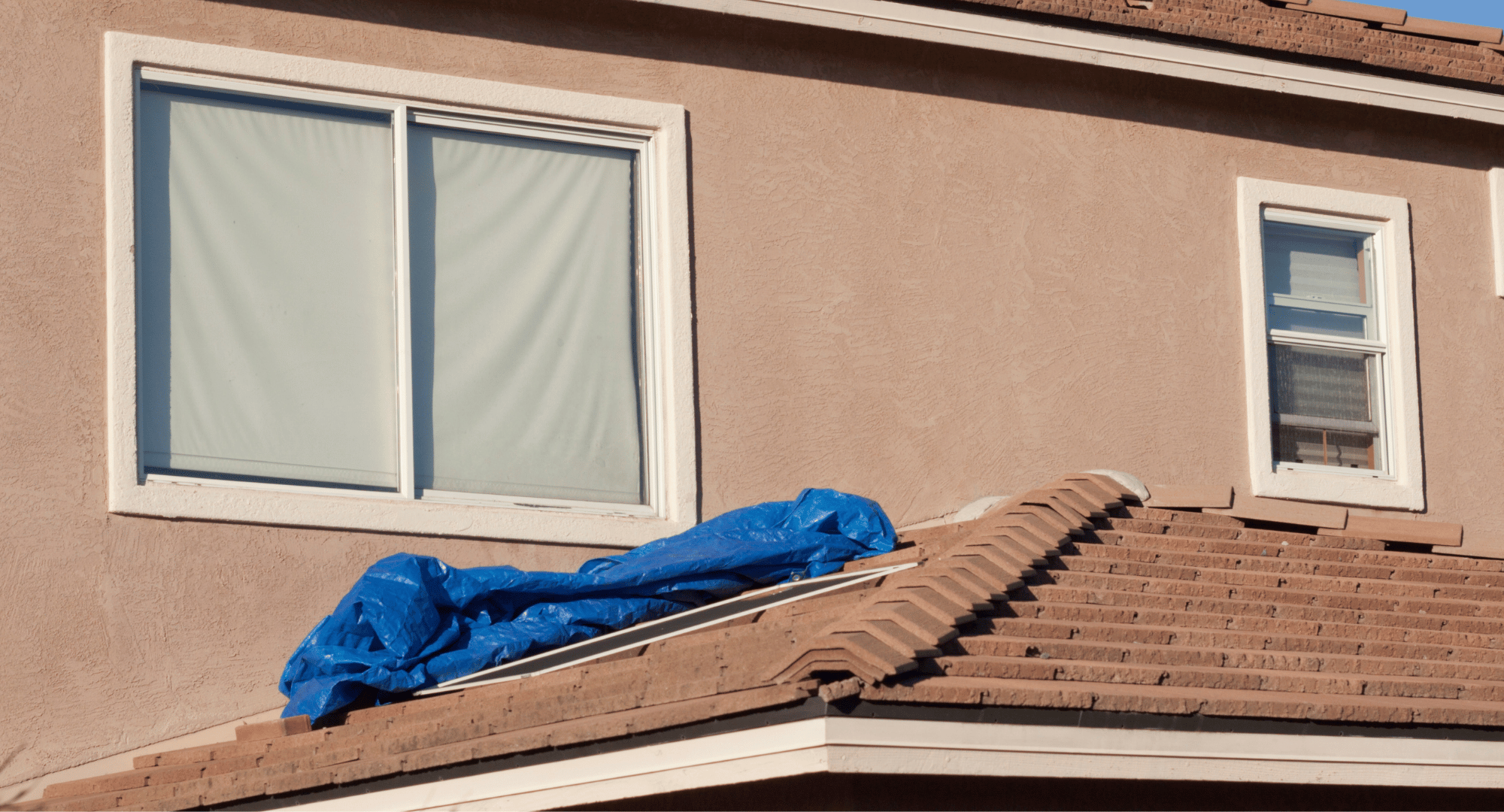
Yes, you should tarp your roof as soon as possible after a leak, even while your insurance claim is in progress. Stopping active water intrusion protects your home from further damage, which most insurance policies actually require you to do. Waiting can cost you more in denied claims and secondary damage.
A homeowner recently called us after discovering their roof was leaking into a bedroom during a rainstorm. A water mitigation crew was already on-site drying things out, but no one had addressed the actual source of the problem. As she put it, "It seems kind of like a backwards process if we don't stop the water from coming in." She was exactly right.
At Douglas Roofing, we handle situations like this regularly. Here is what every homeowner should understand about the order of operations when a roof leak becomes an emergency.
Tarping stops the source of the damage, and everything else flows from there. Interior drying crews can remove moisture from your walls, flooring, and ceilings, but if water is still entering through the roof, their work is being undone in real time.
Think of it like bailing water from a sinking boat without plugging the hole first. Emergency tarping creates a temporary barrier over the damaged area so the rest of your home can actually start to dry out and recover.
Most homeowner insurance policies include a duty-to-mitigate clause, which means you are expected to take reasonable steps to prevent further damage after a covered loss. If you wait and the water damage spreads, your insurer may argue that the additional damage was preventable and reduce your payout accordingly.
Getting a roof tarp installed quickly is not just smart, it is often a policy requirement. Document everything with photos before the tarp goes on, and keep records of any emergency work performed.
A reputable, licensed roofing contractor should be willing and able to work alongside your insurance company throughout the claims process. This includes providing inspection reports, damage documentation, and estimates in a format that adjusters can work with.
At Douglas Roofing, we work with major insurance carriers and can help you understand what the inspection found and what documentation your claim may need. Our experienced team knows how to communicate with adjusters clearly so nothing falls through the cracks.
If your roof needs more than a tarp, our roof replacement services are available for situations where the damage goes beyond what a repair can address.
Do not wait to see if the leak stops on its own, especially if more rain is in the forecast.
When installed correctly, a tarp should not cause additional damage. A trained roofing crew knows how to secure a tarp without putting unnecessary stress on surrounding shingles or flashing. Always use a licensed contractor rather than attempting a DIY fix in unsafe conditions.
Yes. Emergency mitigation work is generally separate from your main claim and is often reimbursable. Keep all receipts and documentation from any emergency services. Your adjuster will want to see what was done and why.
A proper inspection will tell you. Factors like the age of the roof, the extent of the damage, and the condition of the underlying decking all play a role. A contractor working alongside your insurance company can help determine whether repair or full replacement is the right path forward.
If you are in the Herndon, VA area and dealing with an active leak or recent storm damage, do not wait. Contact us at Douglas Roofing to schedule an inspection and find out how we can help you move through the process quickly and correctly.